玄场割礼 玄场割礼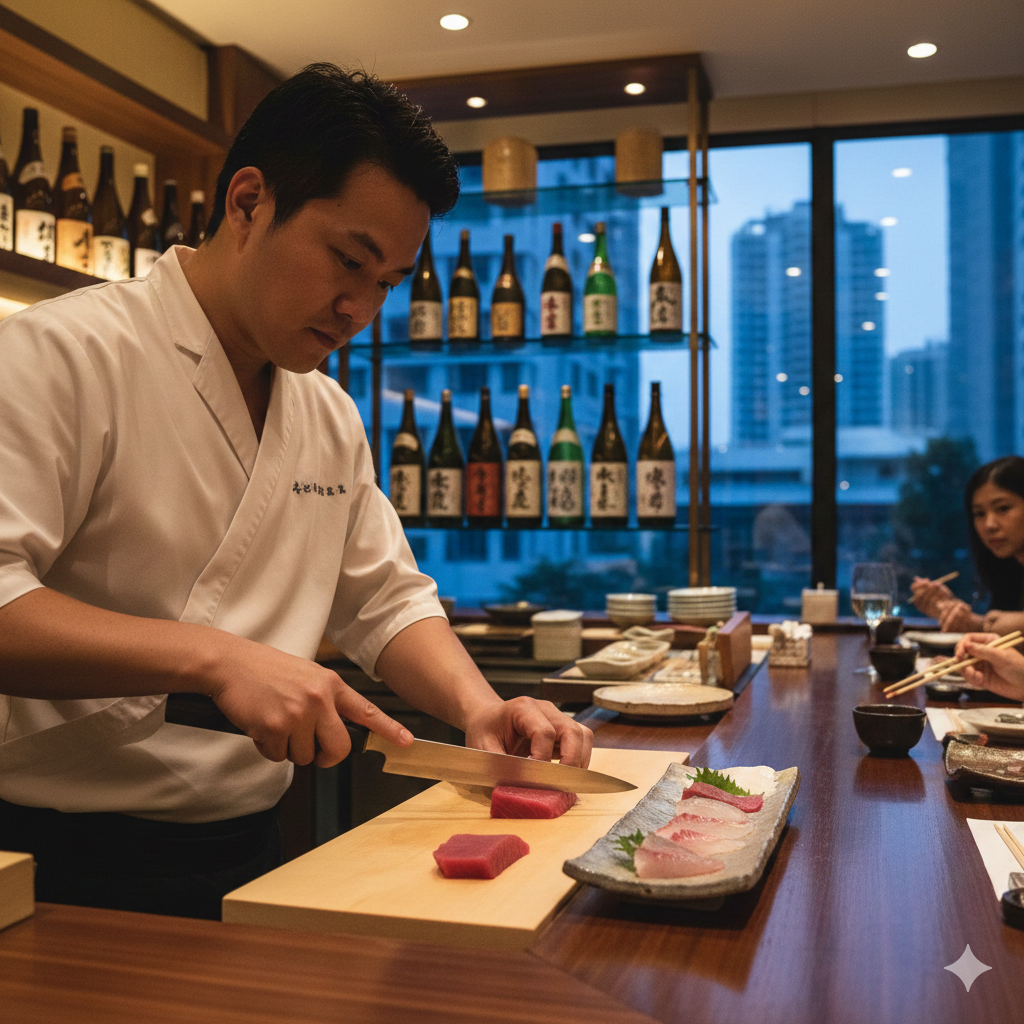
Finding authentic Japanese food in Manila is no longer a challenge of availability, but rather a challenge of curation. For the discerning diner in the Philippines, distinguishing between commercialized chains and genuine culinary gems requires insight into sourcing, preparation, and regional specialties. Whether you are craving a steaming bowl of Tonkotsu ramen in Makati’s Little Tokyo or a refined Kaiseki experience in Bonifacio Global City (BGC), this guide provides a data-driven look at the best culinary spots, expected costs in Philippine Pesos (PHP), and the specific dining protocols necessary to navigate the metro’s vibrant food scene.
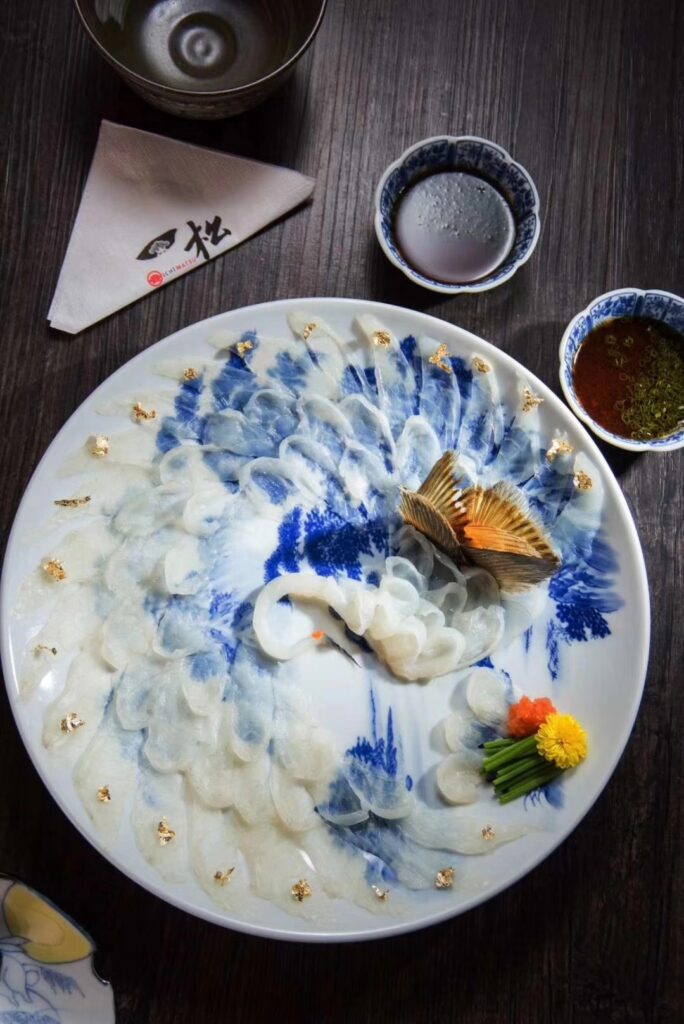
For those who appreciate the profound depth of Japanese culinary arts, understanding the “genba” (the actual site of work or creation) is essential. Platforms like Genba Kappouyouri emphasize the importance of authentic preparation methods, a philosophy that separates standard eateries from true gastronomic destinations.
The ecosystem of Japanese food in Manila has evolved significantly over the last decade. It is no longer limited to tempura and California makis. Today, the market is segmented into distinct tiers, each offering a different value proposition. To maximize your dining experience, it is crucial to understand where your budget fits within the local market standards.
The following table compares real market data regarding average spending per person across different types of Japanese establishments in Metro Manila (Makati, BGC, Ortigas).
| Category | Average Cost per Person (PHP) | Key Locations | Best For | Payment Norms |
|---|---|---|---|---|
| Fast Casual / Chains | ₱300 – ₱600 | Malls (SM, Ayala, Robinsons) | Quick lunches, families | Cash, Gcash, Card |
| Authentic Ramen Bars | ₱450 – ₱750 | Salcedo Village, BGC, Alabang | Solo dining, comfort food | Cash, Card (Often no split bill) |
| Traditional Izakaya | ₱800 – ₱1,500 | Little Tokyo (Makati), Tomas Morato | After-work drinks, groups | Cash preferred in older spots |
| Premium Omakase | ₱5,000 – ₱15,000+ | Shangri-La Fort, Legazpi Village | Special occasions, connoisseurs | Credit Card (Reservation required) |
Note: Prices reflect current market averages in Metro Manila as of late 2024. Service charge (usually 10%) is often added to the final bill.
Little Tokyo on Chino Roces Avenue remains the spiritual home of authentic Japanese cuisine in the Philippines. Unlike the polished aesthetic of BGC, Little Tokyo offers a gritty, nostalgic atmosphere reminiscent of Showa-era Japan.
The most significant trend in Japanese food in Manila recently is the explosion of Omakase (chef’s choice) dining. Establishments like Kazunori, Ogawa, and Helm have set high standards.
However, the “barrier to entry” is not just the price, but the booking process.
When discussing Japanese cuisine, one cannot ignore the Ramen heavyweights like Mendokoro Ramenba and Yushoken. They famously operate on a strict “no-reservation” policy. This often confuses new diners.
Simulation of the Queuing Experience (Step-by-Step):
While Japan is traditionally a cash-heavy society, Manila’s Japanese restaurants have adapted to the Philippines’ rapid fintech adoption.
Exploring Japanese food in Manila is a journey that rewards the adventurous and the informed. From understanding the tiered pricing structures to navigating the specific etiquette of queueing for ramen or booking an Omakase seat, the experience is about more than just taste—it is about respecting the process. Whether you are using your GCash to pay for a quick Donburi or reserving a private room for a Kaiseki dinner, the metro offers a slice of Japan for every budget.
For travelers and locals alike who wish to verify tourism standards and accredited establishments in the country, the official Department of Tourism Philippines provides resources on accredited dining and travel guidelines.


 919 0000 666